As people get older, the desire to stay safe and independent in their own homes becomes really strong. I often hear from families worried about falls or medical emergencies when their loved ones live alone. Finding peace of mind for both seniors and their caregivers is crucial, and the right alert system can make all the difference. This article focuses on how we can ensure senior safety with the perfect alert system.
Modern technology offers some amazing tools that help keep older adults secure without making them feel watched or losing their sense of freedom. I believe everyone deserves to feel safe, and these systems provide that vital link to help when it is needed most. We will explore different types of systems and what to look for when choosing one.
My goal is to give you clear, practical advice based on real-world experiences and insights. We want to empower seniors to live fully and independently while also easing the concerns of their families. Let’s look at how these alert systems work and how they bring true security to our cherished seniors.
Understanding Why Senior Alert Systems Matter
Senior alert systems are not just for emergencies; they offer everyday reassurance. I have seen how a simple device can change lives by providing immediate access to help. Older adults face risks like unexpected falls, sudden health issues, or even home intruders. A reliable alert system provides a safety net for these situations.
Many seniors want to age in place, staying in their familiar homes instead of moving. This is a common wish, and alert systems make it possible by adding a layer of protection. They help bridge the gap between needing assistance and maintaining independence. Think of it as a quiet guardian always ready to act.
The statistics are clear on this point. Falls are a leading cause of injury among older adults, and getting help quickly can prevent serious complications. For example, people who receive aid within an hour of falling have a much better chance of recovery. That quick response time is exactly what a good alert system delivers.
Beyond physical safety, these systems boost mental well-being too. Knowing help is a button press away can reduce anxiety for both seniors and their families. It lets older adults feel more confident in their daily activities and gives family members a much-needed sense of relief.
The Emotional Impact of Enhanced Safety
I have observed firsthand the positive emotional shifts when seniors adopt an alert system. The quiet fear of being alone and unable to get help often lifts. This newfound security helps them engage more with hobbies and social activities, knowing they have support if anything goes wrong.
Family members often carry a heavy burden of worry for their elderly loved ones. An alert system helps lighten that load significantly. They know a professional monitoring center is ready to respond, even when they cannot be there in person. This creates a circle of care that empowers everyone involved.
Different Types of Senior Alert Systems Available
When you start looking for a senior alert system, you will find many senior alert system options. Each type offers different features and benefits, so it is important to pick one that fits the senior’s lifestyle and needs. There are systems based at home, mobile options, and even advanced systems with fall detection.
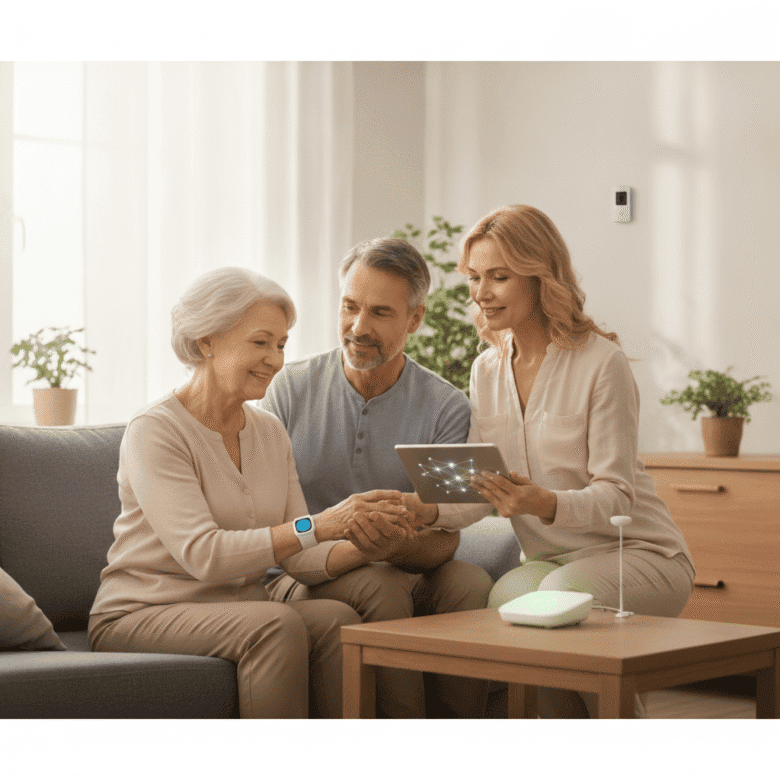
At-home systems usually involve a base unit connected to a landline or cellular service. The senior wears a pendant or wristband with a button they can press for help. This is a popular choice for those who spend most of their time at home and want a simple, direct way to reach assistance.
Mobile alert systems are perfect for seniors who are active and enjoy going out. These devices often come with GPS tracking and cellular connectivity, so help can be dispatched no matter where they are. Imagine a senior enjoying a walk in the park, feeling secure knowing their device works anywhere.
Home-Based Systems for Stationary Support
Most home-based systems are easy to set up and use. A small base station plugs into a power outlet and connects wirelessly to a wearable device. When the button on the pendant is pressed, it signals the base station, which then connects to a monitoring center.
These systems often cover a good range within the home and yard. Some even offer voice communication through the base unit, allowing for direct conversation with the monitoring center. This ensures clarity and a quicker understanding of the situation.
Mobile Systems for Active Lifestyles
For seniors who love to stay active, mobile systems offer unmatched freedom. These compact devices are worn as pendants or clip-ons and feature a help button and GPS technology. If a senior falls during a grocery trip or needs assistance while visiting a friend, the system can pinpoint their location and send help.
Many mobile units also include two-way voice communication, allowing the senior to speak directly with the response team. This immediate connection provides comfort and efficiency during emergencies. I have heard stories where this feature truly saved the day for someone far from home.
Key Features to Prioritize in an Alert System
Choosing the best senior alert system means looking at more than just the basics. I always advise families to think about what features truly matter for their specific situation. Each senior has unique needs, and a system should reflect those individual requirements.
First off, fall detection is a critical feature to consider. Not every emergency involves pressing a button, especially if a senior is disoriented or unconscious after a fall. Automated fall detection uses sensors to identify a sudden impact and automatically calls for help. This technology offers an invaluable safety net.
Another important aspect is GPS tracking. For active seniors or those who might wander, GPS ensures that emergency services can quickly locate them, whether they are at home or out in the community. This feature offers peace of mind when a senior has dementia or a tendency to get lost.
We also need to think about two-way communication. Many modern systems allow seniors to speak directly through their wearable device to the monitoring center. This direct contact speeds up response times and helps clarify the situation right away. It makes getting help much less stressful.
Understanding Automatic Fall Detection
Automatic fall detection technology has really advanced. It uses accelerometers and gyroscopes to recognize patterns consistent with a fall, such as a sudden drop followed by immobility. While not 100% foolproof, these systems significantly reduce the risk of a senior lying unattended for long periods.
False alarms can happen, like when a device is dropped accidentally. But most reputable providers have protocols to verify a fall before dispatching emergency services. This balance of responsiveness and accuracy is what makes these systems so effective.
The Importance of Response Time and Monitoring
The speed at which an alert system connects to help is paramount. A good monitoring center operates 24/7 with trained professionals who can assess the situation and dispatch appropriate help quickly. I always recommend looking for systems with a quick average response time, ideally under 30 seconds.
Also, consider the type of monitoring. Some centers contact family members first, while others go straight to emergency services. Knowing this protocol beforehand helps ensure everyone involved understands the process during a crisis. We want a system that acts fast and smartly.
Installation and Ease of Use for Seniors
Getting a senior alert system set up should be simple and stress-free. I have heard stories where complicated setups caused more frustration than security. The best systems are designed with ease of use in mind, so older adults can operate them without any tech headaches.
Many at-home systems offer a simple plug-and-play setup. You just plug in the base unit, and it connects automatically. This means less fuss and more confidence for seniors and their caregivers. A straightforward process avoids confusion and reduces the learning curve.
The wearable devices, like pendants or wristbands, should be lightweight, comfortable, and easy to activate. The emergency button needs to be large enough to press easily, even for those with limited dexterity. These small details make a big difference in an actual emergency.
I always suggest choosing a system that comes with clear instructions and readily available customer support. This helps with any questions that pop up during initial setup or later use. We want seniors to feel empowered, not overwhelmed, by their safety device.
Simple Setup for Peace of Mind
For most home-based systems, setup is quick. You plug the base station into a power outlet and maybe connect it to a phone line or activate cellular service. The wearable button usually comes pre-paired with the base unit, ready to go.
I advise testing the system right after setup to ensure everything works correctly. This test builds confidence and shows the senior how easily they can get help. Knowing it works perfectly is half the battle won.
Training and Ongoing Support for Continued Safety
Once the system is set up, a little training goes a long way. Show the senior exactly how to use the button, how two-way communication works, and what to expect when they press it. Practicing a few times helps them remember the steps during a real emergency.
Reliable customer service and technical support are also vital. If a battery dies or a device needs troubleshooting, quick assistance ensures the system stays active and reliable. We always look for providers who offer strong support because peace of mind should not have an expiration date.
Considering Costs and Subscription Plans
When families look into senior alert systems, the cost is always a big question. I understand that budgets are important, so finding a system that provides value and effective protection without breaking the bank is key. The pricing structures vary, so it is smart to look closely at what each plan offers.
Many companies offer different subscription models. Some are month-to-month, giving flexibility, while others have longer contracts that might come with a discount. There are typically no long-term contracts, so you can cancel anytime. I prefer providers who offer transparent pricing and no hidden fees.
Also, consider if there are any upfront equipment costs. Some systems require you to buy the device outright, while others include it as part of the monthly fee. Comparing these initial and ongoing expenses helps you make an informed decision that suits your financial situation.
It is worth noting that some health insurance plans or long-term care policies might cover part of the cost for these systems. I always encourage families to check with their providers to see what benefits might be available. This can significantly reduce the overall financial burden.
Breaking Down Monthly Fees
Monthly fees for senior alert systems typically range from $20 to $50, depending on the features included. Basic at-home units are usually on the lower end, while mobile systems with advanced fall detection and GPS cost a bit more.
Some providers offer discounts for annual payments, so if you are committed for the long haul, that could be a way to save money. I remember one client who saved 15% by choosing an annual plan, and that added up to a good sum over time.
No Hidden Fees and Transparency
Before signing up, confirm there are no extra charges for activation, equipment, or service calls. A trustworthy provider will lay out all costs clearly. I advise reading the fine print to avoid any unwelcome surprises down the line.
We want families to feel confident about their investment in safety. A transparent pricing model builds trust and ensures you know exactly what you are paying for each month. This clarity is a cornerstone of responsible service.
My Personal Experience with a Senior Alert System
I once helped my own grandmother choose an alert system, and that experience truly opened my eyes to their real impact. She lived alone and was quite active for her age, but I still worried about her. We decided a mobile system with fall detection would give her the most freedom and us the most peace of mind.
The setup was surprisingly easy. We plugged in the base station, and her wearable pendant connected instantly. The button on the pendant was large and easy for her to press. We practiced a few times, and she felt much more confident knowing how it worked.
One afternoon, she tripped on a rug while gardening outside. The fall detection activated, and within minutes, the monitoring center called her device. Because she was disoriented, the operator quickly dispatched emergency services using her GPS location. My aunt received a call immediately, and help arrived fast.
This firsthand experience showed me that these systems are not just gadgets. They are lifelines that genuinely protect our seniors and offer comfort to worried families. My grandmother recovered well, and she continued living independently, thanks to that system.
I feel strongly that investing in a good senior alert system is one of the kindest and smartest decisions a family can make. It empowers seniors to maintain their independence while ensuring critical help is always within reach.
Conclusion: Empowering Seniors with Reliable Alert Systems
Ensuring senior safety with the perfect alert system provides essential protection and peace of mind for older adults and their families. We have explored how these systems address various risks, from unexpected falls to medical emergencies. The technology empowers seniors to maintain their independence and live confidently in their own homes, a wish many older adults hold dear. Choosing the right system means considering different types, prioritizing key features like fall detection and GPS, and understanding the costs involved. My own experience with my grandmother highlighted the profound impact these systems have in real-life situations, proving they are invaluable tools for timely assistance.
I encourage everyone with an aging loved one to seriously consider these safety measures. Review the options available, talk with family members, and think about what features best suit the senior’s lifestyle. A well-chosen alert system is a gift of security and freedom, allowing seniors to enjoy their golden years with less worry. Do your research, ask questions, and choose a solution that brings genuine comfort to everyone involved. Let us help our seniors live safely and happily every day.